The short version of any moving to Florida checklist: get your Florida driver license within 30 days of becoming a resident, title and register your car within 10 days, line up homeowner's and flood insurance before closing, and file for your homestead exemption by March 1 after you move in. Those deadlines catch a lot of newcomers by surprise. I help relocating buyers settle into Volusia, Seminole, Orange, Lake, and Marion counties all the time, and this is the timeline I walk them through.
Before you move: 60 to 90 days out
- Narrow down your area. Commutes on I-4, the 417, and SR 429 can change your day more than you'd expect, so drive them at rush hour if you can. My Central Florida relocation guide compares the counties.
- Get pre-approved with a licensed lender, and ask for a full payment estimate that includes taxes, insurance, and any HOA or CDD fees.
- Get homeowner's insurance quotes early, ideally on the specific homes you're considering. Insurance can vary a lot by a home's age, roof, and location.
- Check flood zones on FEMA's Flood Map Service Center, and ask your agent about flood insurance even if the home isn't in a high-risk zone.
- Gather your records: passport or birth certificate, Social Security card, proof of address documents, vehicle titles, and any lienholder information. You'll need these at the DMV.
Closing week and your first days here
Before closing, your lender will require proof of homeowner's insurance, and flood insurance too if the home is in a designated flood zone. Plan ahead on flood coverage: a new National Flood Insurance Program policy generally has a 30-day waiting period before it takes effect. A policy bought in connection with a mortgage closing is usually an exception, but check the timing with your insurance agent.
- Set up utilities. Depending on your address, electricity could come from Duke Energy, Florida Power & Light, OUC in Orlando, or a local co-op or city utility, so confirm the provider for your exact address.
- Update your address with the USPS, your bank, and your employer.
- Find your nearest county tax collector office. In Central Florida, the tax collector's office is where you'll handle driver licenses, titles, and tags, and many offices take appointments online.
Your first 30 days: driver license, title, and tag
According to the Florida Department of Highway Safety and Motor Vehicles (FLHSMV), you're generally considered a Florida resident once you start a job here, enroll children in a public school, register to vote, file for a homestead exemption, or live here more than six consecutive months. Once that happens, two clocks start.
30 days
To get a Florida driver license
10 days
To title and register your vehicle
$225
One-time initial registration fee
- 1Buy Florida auto insurance from an agent licensed in Florida. You need proof of Personal Injury Protection and Property Damage Liability coverage before you can register a car here.
- 2Get your vehicle's VIN verified. FLHSMV lists who can do it, including a law enforcement officer, a licensed Florida dealer, or a tax collector employee, using the state's VIN verification form.
- 3Title and register the vehicle at a tax collector service center. If you've never had a Florida plate in your name, expect the $225 initial registration fee on top of the regular title and tag fees.
- 4Get your Florida driver license in person, and bring the identity documents listed on FLHSMV's What to Bring page. You'll surrender your out-of-state license.
- 5Register to vote, if you plan to, at the same visit or through your county supervisor of elections.
By March 1: your homestead exemption
If you own your home and make it your permanent residence as of January 1, you can apply for a homestead exemption with your county property appraiser. The deadline is March 1 of that year (when March 1 falls on a weekend, check your county's posted deadline). A homestead exemption lowers your home's taxable value, and it also qualifies you for Florida's Save Our Homes cap, which limits how much your assessed value can rise each year. Your Florida driver license and vehicle registration are usually part of the proof of residency, which is another reason to get them done early.
One important update: according to unofficial results, Florida voters approved Amendment 3 on November 3, 2026. It changes the homestead exemption starting in 2027 and includes different rules for people who are new to Florida. The details are still being worked out at the state and county level, so check with your county property appraiser for the current rules before you file. You can apply through the Volusia, Seminole, Orange, Lake, or Marion County Property Appraiser's website.
Most of the newcomers I work with aren't worried about the big move. It's the small deadlines that sneak up on them. I'd rather hand you a list on closing day than have you find out about the 10-day tag rule the hard way.
Before hurricane season: prep your new home
Atlantic hurricane season runs June 1 through November 30. Central Florida is inland for most of my clients, but strong storms can still bring wind damage, power outages, and flooding here. Take care of these before your first season:
- Look up your county's evacuation zone and shelter information through your county's emergency management office.
- Read your insurance policy's hurricane deductible, and ask your agent whether a wind mitigation inspection could lower your premium.
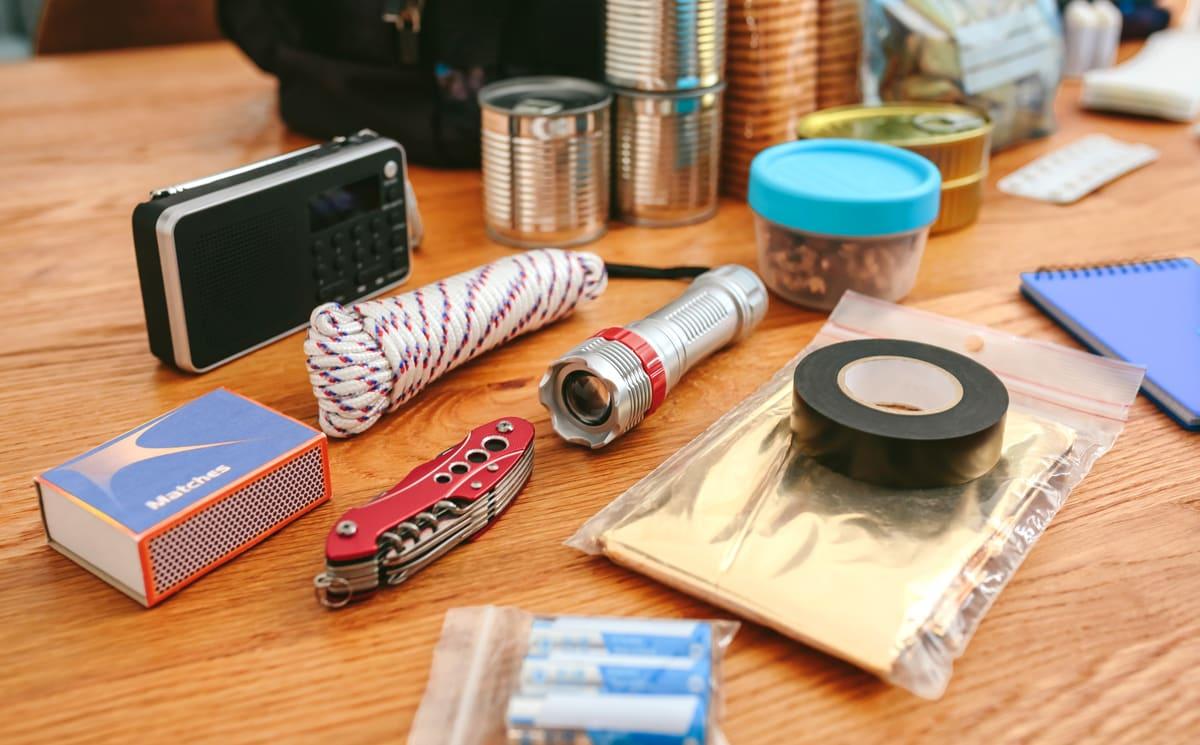
- Build a supply kit. Since August 2025, Florida exempts many disaster-preparedness items from sales tax year-round, including portable generators, batteries, and tarps. Check the Florida Department of Revenue's list for exactly what qualifies.
- If you have shutters or impact windows, learn how they work before a storm is on the way.
Frequently asked questions
How do I get a Florida driver license after moving?
Visit a driver license office in person within 30 days of establishing residency. In Central Florida that's usually a county tax collector office. Bring the documents on FLHSMV's What to Bring list and your current out-of-state license, which you'll surrender.
What should I know before moving to Florida?
Budget carefully for homeowner's insurance and look at flood risk on any home you're considering. Learn the 10-day vehicle and 30-day license deadlines, and file for homestead by March 1. It also helps to spend time in the area in summer, so the heat and afternoon storms don't come as a shock.
How do I become a Florida resident?
FLHSMV treats you as a resident once you take actions like starting a job here, enrolling children in public school, registering to vote, filing for homestead, or living here more than six consecutive months. Residency for other purposes, such as taxes or in-state tuition, has its own rules, so check with the relevant agency or a tax professional.
This post is general information, not legal, tax, or insurance advice. Deadlines and fees can change, so confirm the details with FLHSMV, your county tax collector and property appraiser, a licensed insurance agent, or a tax professional. Thinking about buying before you rent? My buying vs. renting breakdown can help, and you can start browsing homes on my Central Florida MLS search.
Relocating to Central Florida? I'd love to help you find the right home and get settled, deadlines and all. Reach out any time for a no-pressure conversation.
Let's talk