A CDD fee in Florida is an annual assessment charged by a Community Development District, a special local government that pays for the roads, water and sewer lines, stormwater ponds, and amenities in many newer communities. It's billed on your county property tax bill, it's separate from any HOA dues, and it can change what two similar homes actually cost you each year. If you're shopping new construction around Clermont, Minneola, or Horizon West, you'll run into CDDs constantly, so here's how they work and what I look at before a buyer signs anything.
What is a CDD, and why do so many new communities have one?
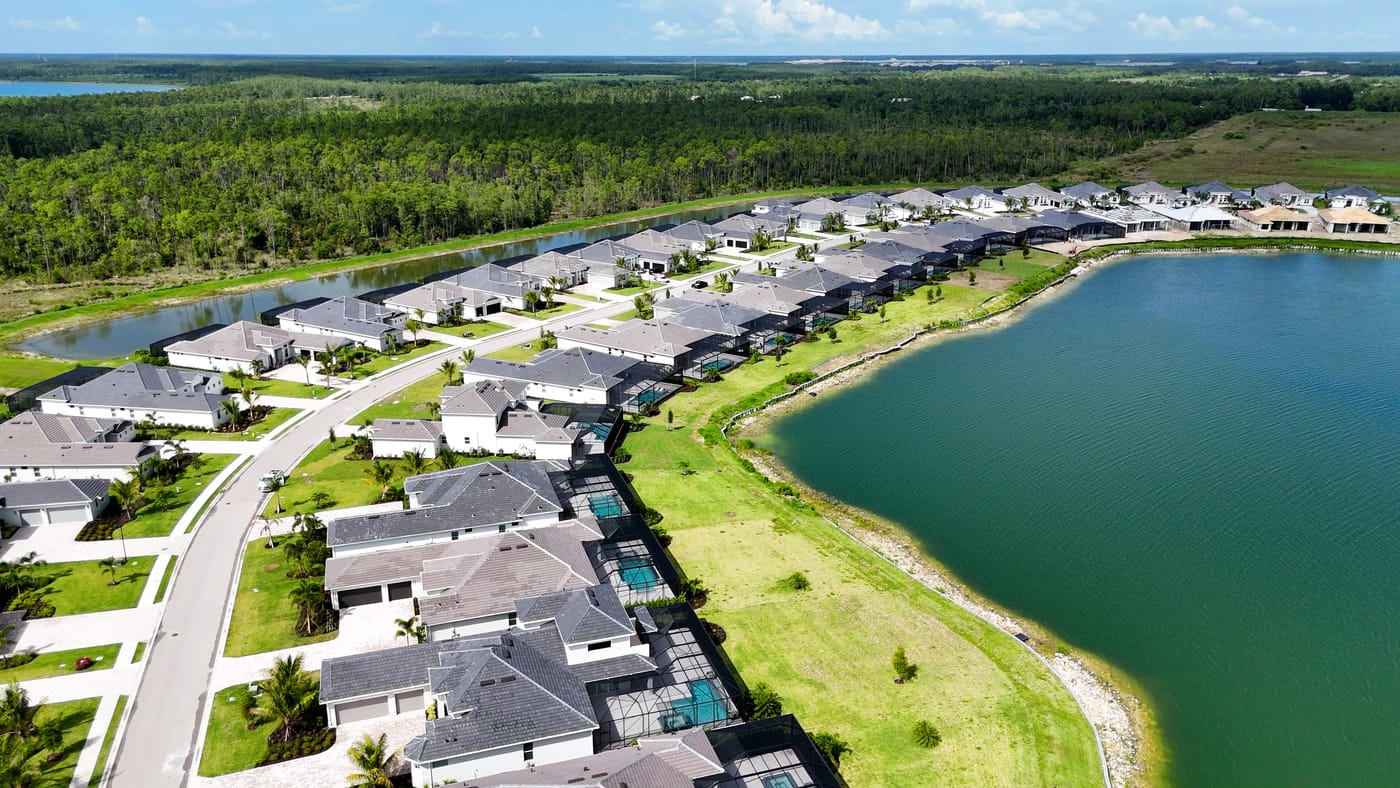
Community Development Districts are created under Chapter 190 of the Florida Statutes. Instead of a developer paying for all the infrastructure up front, which would get baked into a higher purchase price, the district can issue long-term bonds to build it. The homeowners inside the district then repay those bonds over time through annual assessments. The district also usually maintains what it built: the ponds, common landscaping, and often the clubhouse, pool, and trails.
That's why CDDs are so common in the large master-planned communities that have gone up along the US-27 corridor in south Lake County and across Horizon West in southwest Orange County. You'll see them less often in older, established neighborhoods in places like Winter Park, College Park, or downtown Mount Dora, where the roads and utilities were built decades ago.
The two parts of a CDD fee
When you look at a CDD line on a tax bill, it usually covers two different things. Understanding the split is the most useful thing you can do as a buyer.
- Debt service: your share of the bond repayment for the infrastructure. This portion is tied to the bond schedule, and it ends when the bonds are paid off.
- Operations and maintenance (O&M): the yearly cost of running and maintaining district property. The district's board sets this every year, so it can go up or down.
- Not based on your home's value: CDD assessments are non-ad valorem charges, so they're set by lot or unit type rather than by your assessed value. A homestead exemption doesn't reduce them.
- Collected with your property taxes: Florida law lets a district collect through the county tax collector, so in most communities the CDD amount appears in the non-ad valorem section of your annual tax bill.
CDD vs. HOA: what's the difference?
Buyers mix these up all the time, and many communities have both. A CDD is a unit of local government: it has an elected board, holds public meetings, publishes its budget, and bills you through the tax collector. An HOA is a private nonprofit corporation that enforces the community's deed restrictions (paint colors, fences, parking, architectural review) and bills you directly, usually monthly or quarterly.
So in a typical new Clermont subdivision, you might pay a CDD assessment once a year with your property taxes and also pay HOA dues throughout the year. When I compare homes for a client, I always put both side by side, plus taxes and insurance, so we're comparing the true monthly cost, not just the list price. My first-time home buyer guide walks through that full payment picture.
How to find the real CDD amount before you buy
Never rely on a ballpark number from a listing remark. CDD amounts vary a lot from one community to the next, and sometimes from one phase or lot size to another within the same community. Here's the order I check things in:
- 1Pull the most recent property tax bill for the specific home from the county tax collector's website (Lake, Orange, Seminole, Volusia, and Marion all have online search). Look at the non-ad valorem assessments section for the CDD line.
- 2Look up the district itself. Every CDD has to publish its budget and meeting information, and most have a website run by their district manager. The budget shows the O&M amount and how the debt service is structured.
- 3Ask how many years are left on the bonds. That tells you how long the debt service portion is likely to stay on the bill.
- 4Ask whether the debt portion can be prepaid. Some districts let owners pay off their share of the bonds early. Whether that's a smart move depends on your situation, so talk it over with your lender or tax professional.
- 5On a new build, read the CDD disclosure in the builder's contract. Florida law requires a boldfaced disclosure, just above the buyer's signature line, that the district may levy taxes or assessments on the property.
Are CDD communities a good choice?
There's no single answer. A CDD isn't a red flag on its own. It's how a lot of Central Florida's newest neighborhoods got their roads, utilities, resort-style pools, and miles of trails built in the first place. What matters is whether the total cost fits your budget, how long the debt service runs, and whether you'll actually use the amenities you're paying to maintain.
I tell every buyer the same thing: a CDD isn't good or bad, it's a line item. My job is to make sure you see that line item clearly before you write an offer, not after you get your first tax bill in November.
If you're weighing new construction against a resale home in an established area, it's worth seeing both. Browse current homes in both kinds of neighborhoods on my Central Florida MLS search, and if Lake County is on your list, my guide to Clermont, Leesburg & Mount Dora covers the differences between those towns.
Frequently asked questions
What are CDD fees in Florida?
They're annual assessments charged by a Community Development District to repay the bonds that built a community's infrastructure and to maintain district property like ponds, landscaping, and amenities. They appear on your county property tax bill as non-ad valorem assessments.
How long do you pay CDD fees in Florida?
The debt service portion lasts until the district's bonds are paid off. The term depends on the specific bond issue, so check the district's documents. The operations and maintenance portion generally continues for as long as the district exists, because someone has to keep maintaining what it owns.
How are CDD fees paid?
In most communities they're collected on your annual property tax bill. If you have an escrow account with your lender, your CDD assessment is usually paid from escrow along with your taxes, which means it's built into your monthly mortgage payment.
Are CDD fees tax deductible?
It depends on how the assessment is structured and on your own tax situation, so this is a question for a tax professional. Don't assume the whole CDD line is deductible just because it appears on your property tax bill.
Can you get out of paying CDD fees?
Not while you own a property inside the district. The assessments are tied to the land. Some districts allow owners to prepay the debt service portion, which removes that part from future bills, but the maintenance portion stays.
This post is general information, not tax, legal, or lending advice. CDD amounts and rules vary by district, so verify the details for any specific home with the county tax collector, the district's own records, a tax professional, or a licensed lender. You may also find my breakdown of Florida closing costs helpful, since prorated CDD and tax amounts often show up at closing.
Looking at new construction in Clermont, Horizon West, or anywhere in Central Florida? I'll pull the real numbers on any home you like, CDD included, so you can compare with confidence. Reach out any time for a no-pressure conversation.
Let's talk