A 4-point inspection in Florida is a short, insurance-focused report on a home's four major systems: the roof, electrical, plumbing, and heating and air conditioning. Insurers ask for it on older homes before they'll write a homeowner's policy, and since you can't close with a mortgage without insurance, it can make or break a purchase. If you're buying a resale home anywhere from DeLand to Dunnellon, here's what to expect and how to keep it from derailing your closing.
What a 4-point inspection covers
The inspector isn't evaluating the whole house. They're documenting the age, type, and condition of four systems on a standard form, with photos, so an insurance underwriter can decide whether the risk is acceptable. Citizens Property Insurance, the state's insurer of last resort, publishes its own 4-point form, and many private carriers use something similar.
- Roof: covering material, approximate age, remaining useful life, and any visible signs of leaks or damage.
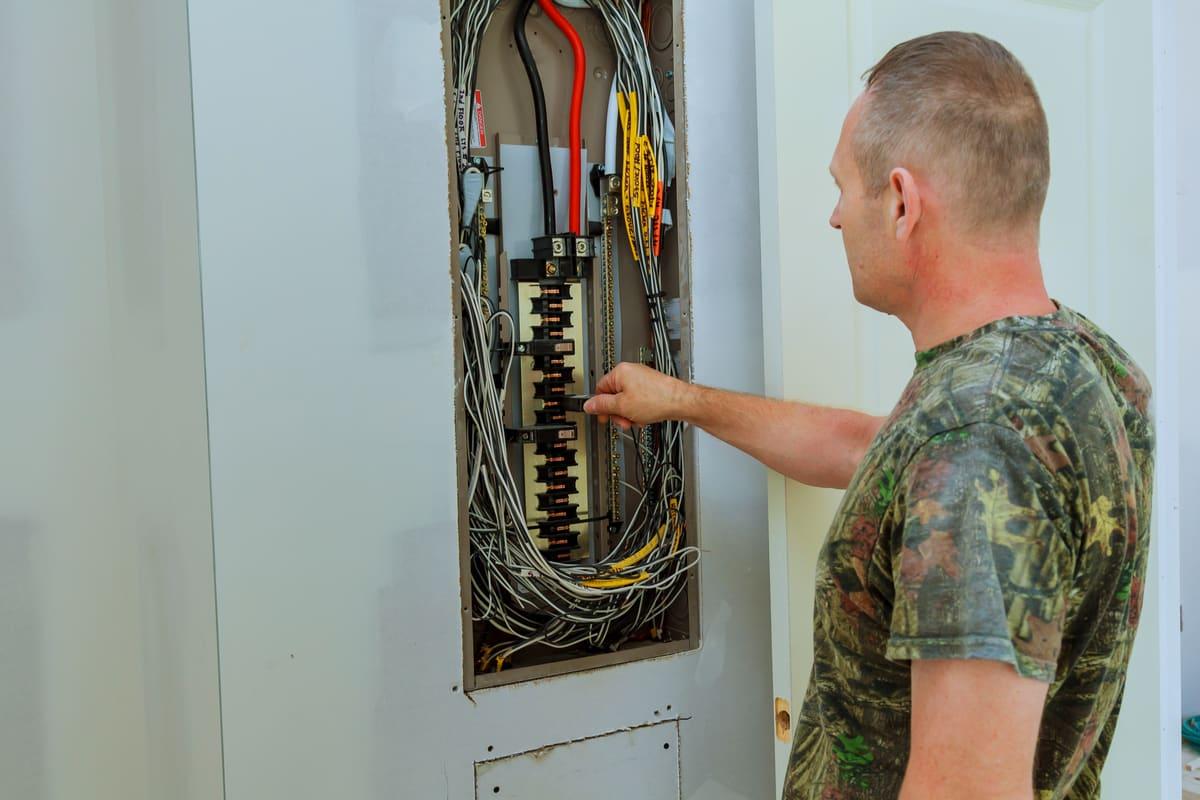
- Electrical: panel type and capacity, wiring type, and hazards such as exposed wiring, double taps, or certain panel brands insurers won't accept.
- Plumbing: supply and drain pipe materials, water heater age and location, and any active leaks. Citizens' current form also asks for photos of the water heater's pressure relief valve.
- HVAC: system age and whether heating and cooling are in good working order.
When is a 4-point inspection required?
It's the insurer's requirement, not a state law, so the trigger depends on the carrier. Citizens currently requires a 4-point inspection for homes more than 20 years old. Private insurers set their own age cutoffs and rules. That covers a lot of Central Florida: many of the ranch homes in Deltona, Port Orange, Ocala, and the older parts of Orlando and Sanford were built well before that window.
Roofs get special attention. Citizens asks older roofs for documentation that at least five years of useful life remain. For Citizens, that means shingle-type roofs older than 25 years and tile, metal, or other hard roofs older than 50 years. Florida law also says insurers can't refuse to issue or renew a homeowner's policy solely because a roof is less than 15 years old. For roofs 15 years and older, the insurer must allow an inspection first, and it can't refuse coverage based on roof age alone if the inspection shows at least five years of useful life left.
What commonly gets flagged
A 4-point isn't pass/fail in the way a school test is. The inspector reports what they find, and the insurer decides. These are the issues I see cause the most trouble for buyers:
- 1An aging roof, or one with visible leaks, missing shingles, or soft spots.
- 2Electrical panels that many carriers won't insure, plus older wiring types such as knob-and-tube or single-strand aluminum branch wiring that hasn't been remediated by a licensed electrician.
- 3Polybutylene supply pipes, which were common in some homes from that era and which many insurers won't accept.
- 4Active leaks under sinks or around the water heater, or a water heater well past its expected life.
- 5HVAC systems that aren't working on the day of the inspection.
4-point inspection vs. full home inspection
A 4-point is not a substitute for a full home inspection. The 4-point answers the insurer's question: is this house insurable? A full inspection answers yours: what condition is this house in, top to bottom? It covers the foundation, windows, doors, attic, appliances, drainage, and much more. Most buyers I work with get both, and many inspectors offer a 4-point and a wind mitigation report as add-ons to the full inspection.
Speaking of wind mitigation: that's a separate report that documents features like roof-to-wall connections, roof deck attachment, and opening protection such as shutters or impact windows. It can qualify you for insurance discounts. A 4-point can affect whether you get coverage at all, and a wind mitigation report can lower what that coverage costs.
The 4-point is one of the few reports that can stop a closing even when the buyer loves the house. I'd much rather we find a problem in week one, while we still have options, than in the last few days before closing.
If the home doesn't pass: your options
- Ask the seller to make the repair before closing, with documentation from a licensed contractor that you can send to the insurer.
- Negotiate a price reduction or closing-cost credit and handle the repair yourself, if your insurer and lender will allow it.
- Shop other carriers. Underwriting rules differ, and a licensed insurance agent who writes for several companies can tell you which ones might accept the home.
- Walk away within your inspection period if the cost or risk doesn't make sense. Your contract terms control this, so read them carefully.
If you're a seller with an older home, getting your own 4-point before you list can head off surprises. My guide to prepping your home to sell covers the repairs that are worth doing first. Buyers can see how inspection costs fit into the bigger picture in my Florida closing costs breakdown.
Frequently asked questions
Is a 4-point inspection required in Florida?
Not by state law. It's an underwriting requirement set by insurance companies for older homes. Citizens Property Insurance requires one for homes more than 20 years old, and private insurers set their own thresholds.
What will fail a 4-point inspection in Florida?
Strictly speaking, the inspector reports and the insurer decides. The most common deal-breakers are a roof near the end of its life or with active leaks, electrical panels or wiring the carrier won't accept, polybutylene plumbing, active leaks, and HVAC systems that aren't working.
How much is a 4-point inspection in Florida?
Pricing varies by inspector and home size, and it's often discounted when bundled with a full home inspection and a wind mitigation report. Get a quote from a couple of Florida-licensed inspectors when you schedule your inspections.
How long is a 4-point inspection good for?
Each insurer decides how recent the report has to be, so ask your insurance agent before you rely on an older one. If you're buying, plan on ordering a fresh report during your inspection period.
This post is general information, not insurance or legal advice. Insurer requirements change and vary by company, so confirm current underwriting rules with a licensed Florida insurance agent before you rely on them, and review your contract's inspection terms with your agent or an attorney.
Buying an older home in Central Florida? I'll help you schedule the right inspections early and work through whatever they turn up. Reach out any time for a no-pressure conversation.
Let's talk